

Navigating the Summerlin Luxury Market: New Builds vs Established Neighborhoods
I spend a lot of time driving the winding streets of the west valley, and lately, the conversations I have with buyers always circle back to one core debate. When looking at the Summerlin luxury market, clients constantly ask me whether they should buy a brand-new home or settle into an established guard-gated neighborhood. It is a valid question that requires looking past the glossy brochures and focusing on how these homes actually live in the real world. Having flipped dozens of houses across the valley, I look at these properties through a structural and practical lens rather than just admiring the staging.
The choice often comes down to what you value more in your daily routine and how you interact with your living space. Some buyers want the pristine, untouched feel of a modern build where no one else has ever cooked in the kitchen or walked on the floors. Others prefer the mature, shaded canopy of trees you only find in neighborhoods that have been around for a couple of decades. I will break down exactly what you can expect from both sides of the fence, drawing on my time guiding clients through these very specific transactions to help you make an informed choice.
The Draw of Established Summerlin Luxury Market Enclaves
When I drive through neighborhoods like Red Rock Country Club or Tournament Hills, the first thing that strikes me is the sheer scale of the environment. The trees are massive, the grass is green, providing a natural cooling effect that is incredibly valuable during a scorching Las Vegas summer afternoon. You also get a distinct architectural variety that is hard to replicate in today’s master-planned developments, where builders often stick to a few proven elevations. Builders back in the late nineties and early two thousands simply had more land to work with, which translates directly to the sprawling property footprint you see today.
Lot sizes in these older enclaves are noticeably more generous and accommodate amenities that are tough to squeeze into new developments. If you want a sprawling backyard with a deep pool, a detached casita, and a proper side yard for a dog run, you are much more likely to find it in an established community. The homes themselves often feature structural elements like thicker walls and distinct, segmented floor plans that some buyers still prefer over completely open concepts. For those curious about the specific nuances of these older neighborhoods, I have put together a detailed analysis on analyzing older Summerlin luxury properties that covers structural expectations.
The Reality of Buying New Construction
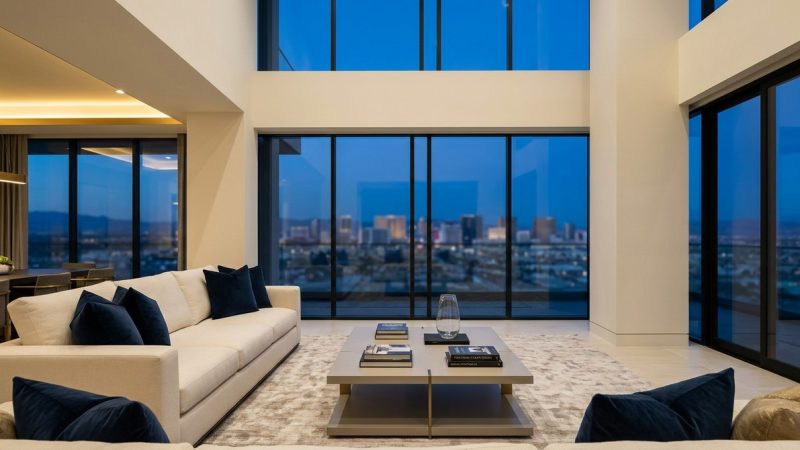
On the flip side, the new developments from builders like Toll Brothers, Pulte, and Tri Pointe offer an entirely different and highly modernized living experience. These homes are designed for contemporary lifestyles, featuring massive sliding glass walls that blend indoor and outdoor spaces flawlessly for year-round entertaining. The energy efficiency in a new build is a massive structural advantage, as modern insulation and advanced HVAC systems keep the house cool without running up a massive utility bill. You are getting the latest in smart home technology wired directly into the studs before the drywall even goes up, saving you the headache of retrofitting later.
However, this modern convenience comes with a few spatial compromises that buyers need to acknowledge upfront. Land in the west valley is at an absolute premium right now, meaning new construction lots are generally much smaller than what you would find in an established neighborhood. You will likely be closer to your neighbors, and your backyard might only have enough room for a plunge pool rather than a sprawling desert oasis. If you are leaning toward this route, I strongly recommend reading my thoughts on navigating the new builder process to ensure you have proper representation before signing any contracts.
Comparing Price Ranges and Builder Incentives
Pricing dynamics between these two options require a sharp eye and a realistic budget for post-close improvements. In established communities, the asking price is usually just the starting point, as you will likely need to allocate funds for significant renovations. Updating a twenty-year-old kitchen or replacing aging HVAC units can quickly add a couple of hundred thousand dollars to your total out-of-pocket investment. The benefit is that the equity is yours to build, and you are rarely paying the massive premium that builders charge for brand-new designer finishes.
New builds operate on an entirely different financial model heavily influenced by builder incentive cycles and standing inventory demands. At certain times of the year, usually near the end of a fiscal quarter, builders might offer significant closing cost credits or design center upgrades to move completed homes. The base price of the home might seem comparable to an older property, but once you add lot premiums and necessary structural upgrades, the final number often jumps by twenty percent. It is crucial to understand these sales cycles to avoid overpaying for a lot that backs up to a busy street or commercial center.
Navigating HOA Rules and Community Dynamics
Homeowner associations play a massive role in how you experience your property, and the rules vary wildly depending on the age and maturity of the community. Established neighborhoods often have mature, well-funded HOAs with reserve accounts that have been steadily built up over decades of consistent management. The guard gates are staffed by long-time employees who know the residents by name, creating a tight-knit, highly secure atmosphere. I have discussed the distinct value of this kind of security at length in my piece about living behind the guard gates in Las Vegas.
New construction HOAs are a different beast entirely and require a bit of patience during the initial build-out phases. Because the neighborhood is still being actively developed, the builder usually maintains total control of the association until a certain percentage of the homes are officially sold. This means you might deal with frequent construction noise, dust, and changing rules as the community slowly finds its footing and establishes a board. On the positive side, the amenities in these new developments, like community pools and fitness centers, are completely state-of-the-art and designed to rival luxury resorts.
Identifying the Buyer Profiles
Over the years, I have noticed distinct patterns in who gravitates toward which type of property when searching the valley. The buyers who choose places like Tournament Hills or Anthem Country Club are usually looking for legacy properties that they can tailor over time. They want a home with a history, a massive lot for their dogs to run, and the quiet privacy that only comes with fully mature landscaping. These are the folks who do not mind spending a year remodeling because they are focused on the long-term potential and privacy of the dirt itself.
The new construction buyer is typically looking for immediate convenience, modern aesthetics, and zero weekends spent dealing with contractors. They are often relocating from out of state and want a turnkey property where they can simply drop their bags and start enjoying the desert lifestyle immediately. They prioritize high ceilings, contemporary finishes, and low-maintenance yards over sprawling lawns that require constant landscaping upkeep. Neither approach is wrong, but aligning your personal lifestyle preferences with the reality of the property is the most critical step in the entire purchasing process.
Frequently Asked Questions
Buyers often ask me how long they should realistically expect to wait for a brand-new build to be completed in the current climate. Depending on the specific builder and the lot availability, dirt-builds can take anywhere from ten to fourteen months before you get the keys. If that extended timeline does not work for your relocation schedule, we often look for standing inventory homes that the builder has already permitted and started constructing to cut that wait time in half. These spec homes offer a great middle ground, allowing you to move in faster while still enjoying fresh construction.
Another common question revolves around the actual, hidden costs of renovating an established luxury home in an older enclave. While material costs have stabilized slightly in recent months, you should still expect to spend a significant premium for high-quality contractors who truly understand the nuances of high-end finishes. I always advise my clients to walk through older homes with a structural mindset, paying close attention to the roof age, the windows, and the mechanical systems before worrying about the cosmetic appeal of the paint colors. Understanding these foundational elements prevents massive financial surprises after the closing documents are signed.
Making Your Final Decision
Deciding between a fresh build and a mature neighborhood is ultimately about understanding how you want to live every single day in the valley. If you value personal space, architectural character, and large lots above all else, the established enclaves are where you should focus your attention and budget. If you want cutting-edge design, high energy efficiency, and zero immediate maintenance, the new developments from top builders are waiting for you. I spend my days helping people weigh these exact trade-offs on the ground, and you can learn more about my professional background at Daryl Hanna Realtor if you need guidance. I am always happy to help you find the neighborhood that actually fits your lifestyle.