
What does the Las Vegas market update mean for you?
The short answer is that the latest Las Vegas market update reveals a market transitioning from a quiet summer into a highly segmented, post-Labor Day rhythm. I was grabbing my morning coffee near Downtown Summerlin recently when a client asked me how shifting economic factors were actually playing out on the ground here in the valley. Instead of handing over a generic data sheet, I explained that our local real estate landscape does not operate as one single entity. What happens in the established custom home streets of The Ridges looks completely different from the sales velocity we see in the newer builds of Skye Canyon.
This fragmentation is why relying on national headlines to understand our local conditions often leads to frustration for both buyers and sellers. Having flipped dozens of homes across this valley over the years, I look at the market through the lens of lived experience and structural reality rather than just median price graphs. When you understand how a house actually feels to live in during a relentless August heatwave, you start to see why certain properties sit on the market while others command multiple offers. Right now, the data tells a fascinating story about buyer priorities and seller expectations.
Let us dive into the numbers that actually matter for your specific situation. The overall inventory has shifted over the last few months, giving buyers slightly more breathing room in certain neighborhoods while keeping the pressure high in others. If you are trying to navigate these changes, looking at the intricate details of pricing and inventory is crucial. My goal is to break down these trends so you can make an informed decision based on the reality of our current neighborhoods.
How does the Las Vegas market update differ by price?
The most critical thing to understand right now is that the valley is operating in three distinct speed zones based on price point. You cannot paint the entire region with a broad brush because the buyer pools for these tiers have very different motivations and constraints. While some buyers are sensitive to every minor fluctuation in lending costs, others are making cash purchases driven by relocation timelines or tax strategies. I spend a lot of my week analyzing these specific segments to give my clients an accurate picture of what they are walking into.
The fast-moving 400K starter tier
Homes priced around the 400K mark remain the most fiercely competitive segment in the entire Las Vegas valley. This is the entry point for first-time buyers and investors, which means that any property in decent condition is going to attract immediate attention. I recently walked through a classic single-story in the older sections of Green Valley that hit this price point, and the driveway was packed with agents showing the property on day one. Buyers in this tier need to have their financing completely locked in and be ready to move decisively.
The structural reality of homes in this price range often dictates their true value. Many of these properties were built in the late nineties or early two thousands, meaning major systems like HVAC units and roofs are reaching the end of their lifespans. As someone who has managed countless renovations, I always advise my clients to look past fresh paint and focus on the integrity of the stucco and the age of the air conditioning compressors. A home that looks dated but has updated mechanical systems is often a far better purchase than a cheap flip with cosmetic upgrades hiding deferred maintenance.
The 600K to 1mil mid-market sector
Moving up into the 600K to 900K range, we start to see a noticeable shift in days on market and buyer behavior. This is typically the move-up market, filled with properties in mature communities like Anthem Country Club or the newer developments out in Inspirada. Buyers in this bracket are often selling their first home to fund this purchase, creating a delicate chain of contingencies that can slow down transactions. Because these buyers are heavily influenced by interest rates, they are taking their time to ensure the home perfectly fits their long-term needs before committing.
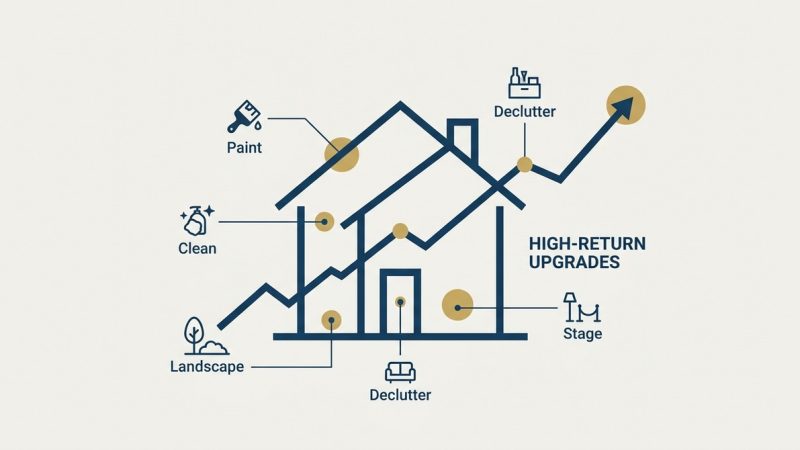
Sellers in this mid-market tier are sometimes surprised to find that they cannot dictate terms as easily as they could a few years ago. If a home in this range has a choppy floor plan or an outdated kitchen, it will likely sit on the market while buyers wait for a better option. I always tell my sellers that proper preparation is not optional here. You have to present a compelling product, which often means addressing minor repairs and staging the home to highlight its best architectural features.
I frequently point clients toward resources for evaluating homes from a structural perspective to help them navigate this specific tier. When you are spending upwards of 800K, you want to ensure the insulation, window quality, and overall build can handle our desert environment efficiently. The homes that sell quickly in this band are the ones where the seller has already handled the expensive, unglamorous maintenance tasks. Buyers at this price point simply do not want to inherit a project.
The 1M and above luxury properties
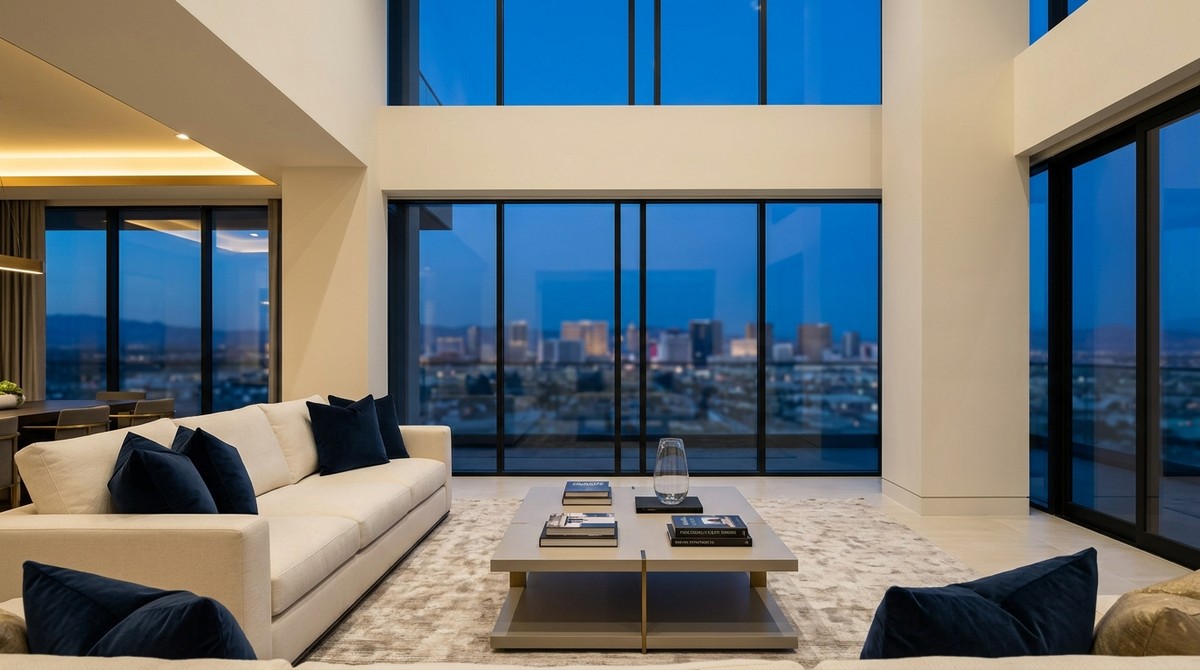
The luxury market, encompassing properties priced at 1M and well beyond, operates on an entirely different set of rules. Here, we see a heavy influx of out-of-state buyers relocating for our favorable tax environment and high quality of life. These buyers are drawn to the desirability of established enclaves that offer privacy, world-class amenities, and stunning views of the surrounding mountains. Cash transactions are incredibly common in this space, insulating this tier somewhat from the broader lending environment.
However, luxury buyers are incredibly discerning when it comes to design and execution. A property in MacDonald Highlands with breathtaking sunset views will still struggle if the interior finishes feel like a time capsule from a decade ago. I have noticed that fully turnkey properties, where the buyer can bring their suitcases and immediately start living, are commanding significant premiums. Properties that require extensive remodeling, even those with prime lots, are seeing longer days on market and aggressive negotiations.
The nuance in luxury pricing requires a deep understanding of neighborhood micro-markets. The value of a custom home in Southern Highlands can vary wildly from street to street based on factors like golf course frontage or privacy from neighboring sightlines. It is vital to have a realistic grasp of these variables, which is why I continually review the latest data on our luxury real estate sector. Sellers who price aggressively ahead of the market based purely on emotion usually end up chasing the market downward with subsequent price reductions.
How do interest rates alter our local neighborhoods?
It is impossible to discuss our local market without addressing the elephant in the room regarding lending costs. The current interest rate environment has created a unique kind of gridlock in certain neighborhoods, particularly those dominated by homeowners who secured historically low rates years ago. Many of these potential sellers are choosing to stay put rather than trade up and take on a significantly higher monthly payment. This phenomenon has artificially suppressed inventory in highly desirable communities like Seven Hills and Spanish Trails.
For buyers, these rates dictate a much more strategic approach to house hunting. Instead of stretching their budgets to the absolute maximum, I see many of my clients focusing on homes that offer long-term stability and comfort. They are prioritizing properties with functional layouts, energy-efficient features, and robust construction that will keep utility bills manageable during the summer months. The conversation has shifted from purely aesthetic desires to practical considerations about the total cost of ownership.
We are also seeing creative financing solutions becoming a standard part of negotiations. Sellers who are eager to move are increasingly open to offering rate buydowns or concessions to help buyers stomach the initial lending costs. This requires a nuanced understanding of contract structuring, ensuring that both parties walk away with a favorable outcome. Navigating this landscape takes patience and a willingness to explore all available avenues to make a deal work.
What properties are selling fast versus sitting right now?
When you look at the daily hot sheets, a clear pattern emerges regarding which properties move quickly and which gather digital dust. Homes that offer seamless indoor-outdoor living spaces, a crucial feature for enjoying our beautiful desert evenings, are highly sought after. I always appreciate a well-designed backyard in communities like Aliante or Cadence, where the transition from the family room to the covered patio feels natural and inviting. If a home has a thoughtfully landscaped yard with mature shade trees, it automatically jumps to the top of a buyer’s list.
Conversely, properties that suffer from poor spatial planning or neglected maintenance are the ones sitting for weeks or months. Buyers today are generally unwilling to take on massive renovation projects unless the home is deeply discounted. I walked through a property in the southwest valley last week that had a bizarre, compartmentalized floor plan that completely blocked out the natural light. Unsurprisingly, that home has been lingering on the market despite being in a very popular zip code.
Another major factor is the quality of the community infrastructure itself. Guard-gated neighborhoods with pristine streetscapes, active social calendars, and well-maintained fitness centers hold their value exceptionally well. Buyers are purchasing a lifestyle just as much as they are purchasing a structure. When the community amenities align with the quality of the home, the resulting synergy almost guarantees a swift and successful sale.
How does the seasonal rhythm shape our valley this winter?
Living in the Las Vegas valley means understanding the distinct seasonal rhythms that dictate our real estate activity. We have just emerged from our typical slower summer period, where the intense heat naturally suppresses foot traffic and open house attendance. Very few people want to spend their August weekends jumping in and out of a hot car to look at properties. As the temperatures finally begin to break after Labor Day, we invariably see a surge in both new listings and serious buyer activity.
This autumn revitalization is one of my favorite times of the year to be out in our neighborhoods. The changing weather makes it much easier to evaluate a property’s exterior, walk the neighborhood trails, and truly appreciate the community vibe in places like Providence or Skye Canyon. We also see a significant influx of corporate relocations happening during this window. Families are trying to get settled before the holiday season truly kicks into high gear.
Looking slightly further ahead, December brings its own unique real estate dynamics driven primarily by tax strategies. High-net-worth individuals often make aggressive moves at year-end to optimize their financial portfolios, leading to a spike in luxury transactions. If you are considering buying or selling, it is wise to factor these seasonal shifts into your timeline. Understanding the natural ebb and flow of our local market gives you a distinct advantage at the negotiating table.