
What is happening in the Las Vegas real estate market?
If you are wondering what is happening in the Las Vegas real estate market right now, you are certainly not alone. I spent Tuesday morning grabbing coffee at Downtown Summerlin, and nearly every conversation turned to inventory levels, shifting interest rates, and what exactly is selling in our current climate. The short answer is that our valley is experiencing a highly segmented, nuanced environment where well-priced, turnkey properties move quickly, while homes needing significant cosmetic work are sitting much longer on the market. Buyers are understandably cautious with their capital, meaning they are demanding absolute perfection if they are going to pay top dollar at today’s borrowing costs. I want to break down what I am personally seeing on the ground across our different neighborhoods, removing the generic national data to focus strictly on our local reality and what it means for your specific situation.
Table of Contents
- Breaking down current valley price bands
- Navigating new construction versus resales
- How rates and seasons change the game
- Neighborhoods holding their value best
- Frequently Asked Questions
Breaking down current valley price bands
To truly understand our local dynamics, we have to slice the data into distinct price categories because a sweeping valley average tells you almost nothing. The entry-level market, hovering around that four hundred thousand dollar mark, remains highly competitive for anything that is move-in ready. When buyers are stretching their budgets to handle current interest rates, they simply do not have the extra cash lying around to remodel a kitchen or replace aging HVAC systems. If you are navigating this specific tier, I highly recommend reviewing my comprehensive guide for first-time buyers in the valley to properly prepare your expectations.
The mid-market, which generally spans from six hundred thousand to nine hundred thousand dollars, is where I am seeing the most variation in days on market. Homes in this bracket that show like pristine model homes are securing competitive contracts within a couple of weeks, but those with dated finishes or awkward floor plans are lingering for well over a month. Buyers in this tier are highly educated on valuation, and they will absolutely refuse to overpay for a property that requires immediate renovation work. We can easily visualize this current segmentation by looking at the active data I pull weekly for my clients, highlighting just how crucial property condition is right now.
| Price Range | Typical Buyer Priority | Current Market Velocity |
|---|---|---|
| Under $500K | Move-in condition, affordable HOA | Very Fast (Under 20 Days) |
| $600K – $900K | Location, modern layout, yard space | Moderate (30-45 Days) |
| $1M+ Luxury | Views, privacy, custom finishes | Varies (Highly Specific) |
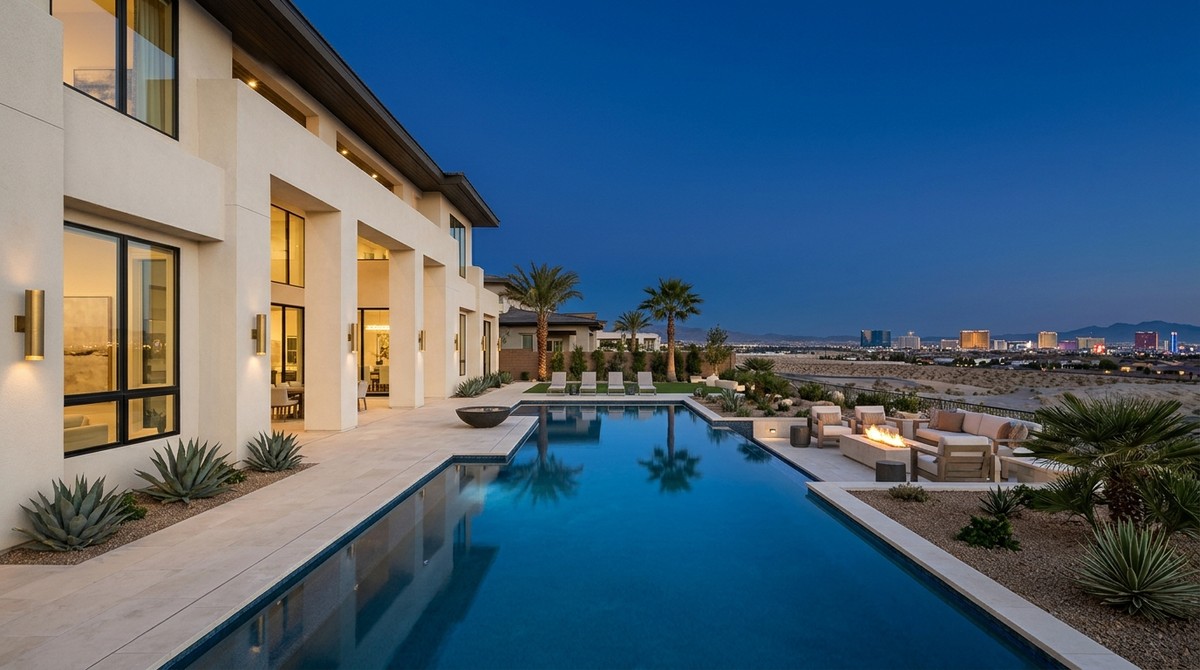
Once we step into the luxury tier of one million dollars and above, the conversation changes entirely, especially in exclusive areas like The Ridges and MacDonald Highlands. High-net-worth buyers in these enclaves are far less sensitive to interest rate fluctuations since many are leveraging heavy cash positions, but they are incredibly uncompromising on finish quality and architectural layout. I have spent years flipping properties in the valley, so I always tell sellers that luxury buyers will notice immediately if a renovation was rushed or corners were cut. For a deeper dive into this upper echelon, you can read my thoughts on analyzing luxury pricing and absorption rates to see what is moving the needle.
Navigating new construction versus resales
Another major trend defining our current landscape is the intense competition between brand-new construction and established resale homes. Builders across the valley, particularly in expanding areas like Skye Canyon and Inspirada, are aggressively offering massive incentives to move their standing inventory before the quarter ends. They are frequently buying down interest rates for buyers, which makes purchasing a brand-new home incredibly tempting from a monthly payment perspective. However, you have to remember that new builds often come with hidden upfront costs like completing the backyard landscaping or installing custom window coverings entirely out of pocket.
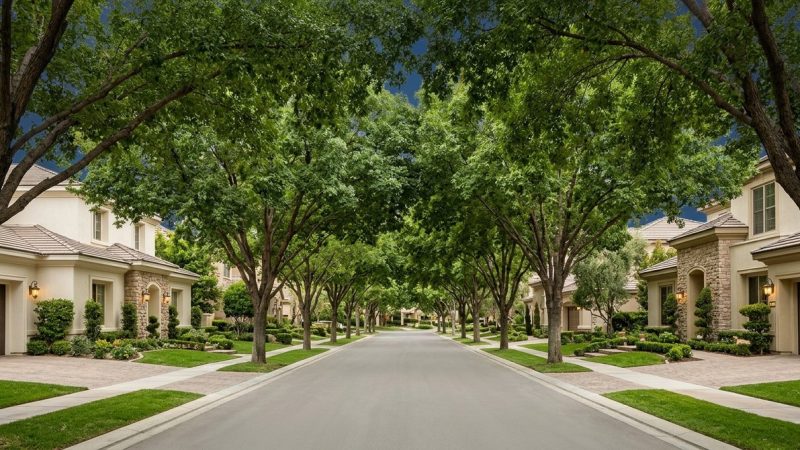
On the flip side, older resale properties in established neighborhoods offer mature trees, larger lot sizes, and completed custom pools that would cost an absolute fortune to replicate today. When I walk clients through a stunning ten-year-old home in Summerlin, I always point out the immense value of having a fully matured landscape and an established, well-funded homeowners association. The decision ultimately comes down to whether you prioritize the financial builder incentives of a fresh build or the irreplaceable charm and immediate readiness of an established home. Balancing these two options is a crucial part of navigating the valley right now, and it requires carefully weighing long-term equity against immediate monthly savings.
How rates and seasons change the game
Interest rates are obviously making national headlines, but their impact hits Las Vegas in a very specific way due to our unique seasonal rhythms. During the brutal heat of July and August, real estate activity always dips because nobody wants to pack moving boxes or tour properties when it is one hundred and fifteen degrees outside. However, we consistently see a strong, reliable pickup right after Labor Day, as the weather cools down and buyers get serious about closing on a property before the winter holidays. This beautiful fall window is historically one of my favorite times to evaluate the market because the casual weekend lookers vanish, leaving only highly motivated buyers and sellers.
As we push closer to December, I also see a massive surge in strategic, tax-driven transactions among my luxury relocation clients. Business owners and out-of-state transplants often scramble to establish formal Nevada residency before the end of the year to legally take advantage of our zero percent state income tax environment. This end-of-year rush creates a fascinating micro-market where premium properties with sunset views or exceptional privacy command absolute top dollar from highly motivated buyers. Understanding this timeline is crucial if you are planning to list a high-end property during the fourth quarter.
Neighborhoods holding their value best
Not all neighborhoods absorb market shifts equally, and I always keep a close eye on the established communities that gracefully weather economic changes. Henderson’s Green Valley, for instance, maintains incredibly stable demand because of its mature landscaping, excellent schools, and a very deep sense of community identity. Buyers are willing to pay a premium for that rooted, traditional neighborhood feel, even when borrowing costs remain elevated above historic lows. It is a completely different vibe from the sprawling new construction zones, offering a quiet reliability that families heavily prioritize.
Similarly, the premier guard-gated communities in Summerlin continue to operate almost independently of broader national housing trends and media narratives. The phenomenal infrastructure, exclusive golf course access, and sweeping mountain views in these neighborhoods provide intrinsic, lifestyle-driven value that outlasts any temporary rate spike. Buyers looking in these specific areas are purchasing a highly curated community experience, which effectively insulates property values from typical market volatility. If you are curious about the specific nuances of these exclusive neighborhoods, take a look at my local perspective on guard-gated communities to understand exactly what sets them apart. These enclaves simply do not see the massive inventory dumps or desperation sales that sometimes occur in less established parts of the valley.
Frequently Asked Questions
Is it better to buy now or wait for rates to drop?
This is easily the most common question I get when walking through properties, and my answer always comes down to your personal timeline and living situation. If you find a home that fits your lifestyle perfectly and you can comfortably afford the monthly payment today, waiting for a hypothetical rate drop is a massive gamble. When rates do eventually dip, we will likely see a flood of pent-up buyer demand hit the valley, which usually drives purchase prices significantly higher in a bidding war environment. You can always refinance a mortgage loan later, but you absolutely cannot retroactively secure a lower purchase price once a property appreciates.
Are sellers offering concessions in this market?
Sellers are definitely more open to negotiations than they were two years ago, but it heavily depends on the specific price band and the pristine condition of the home. In the mid-market range, I am seeing sellers frequently offer rate buy-downs or substantial closing cost credits to help offset the sting of current borrowing costs. However, if a property is flawlessly updated and located in a highly desirable pocket of Summerlin or Henderson, sellers are still confidently holding their ground on price. It takes a highly strategic, localized approach to know exactly how much leverage you actually have on any given property.
What should sellers do to prepare their homes right now?
In this current climate, presentation is absolutely everything if you want to secure a premium price for your valley property. You can no longer just put a sign in the yard, upload a few quick smartphone photos, and expect multiple offers to roll in over the weekend. I strongly advise my clients to invest heavily in professional staging, fresh neutral paint, and resolving any deferred maintenance issues before we ever officially hit the market. Buyers want a seamless transition into their new home, and aggressively eliminating potential objections upfront is the smartest way to minimize your days on market and maximize your final closing price.