
Are Las Vegas HOA Dues Worth The Cost For Homebuyers?
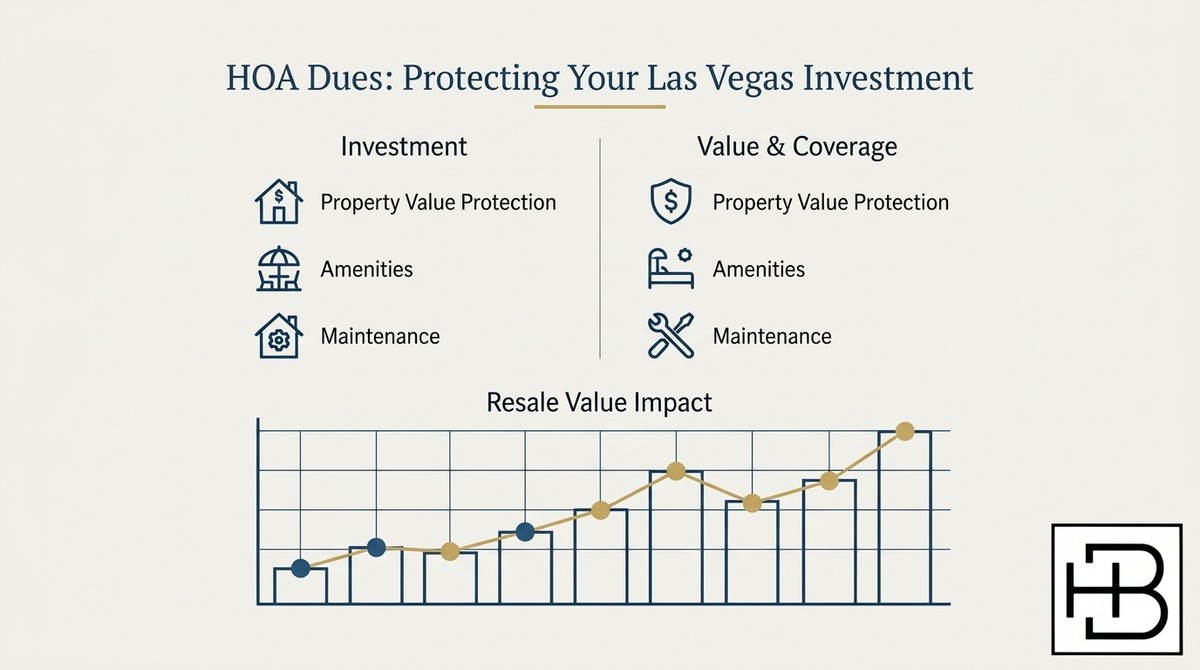
A client asked me recently if paying a premium for a neighborhood with a massive clubhouse was genuinely worth it when they already planned to build a custom backyard pool. It is a valid question that almost every buyer asks when we start crunching the numbers on Las Vegas HOA dues. If you are wondering whether these monthly fees are worth the cost for homebuyers, the short answer is absolutely yes, provided you understand exactly what you are funding. In communities from Henderson to the far northwest, these dues protect your property value, maintain the elaborate infrastructure required in our desert environment, and secure the amenities that define luxury living in the valley.
When I first started flipping houses across the valley years ago, I quickly learned that the strength of a homeowner association directly impacts the resale value of the homes inside its gates. You can completely renovate a property to perfection, but if the community entrance looks tired or the neighborhood parks are neglected, buyers will just walk away. That lived experience shaped how I guide buyers today. We do not just look at the monthly cost; we look deeply at the financial health of the association managing the community.
Living in southern Nevada means dealing with intense summer heat, specialized landscaping needs, and a heavy reliance on community amenities like shaded parks and resort-style pools. The associations here are not just collecting money to send annoying letters about your trash cans being left out too long 🏘️. They are actively managing multi-million dollar budgets that keep the desert at bay and ensure your neighborhood remains a highly desirable place to live for decades.
Table of Contents
- Understanding Las Vegas HOA Dues and Costs
- Master Plans Versus Sub-Associations
- What Your Monthly Payments Actually Cover
- Evaluating Physical Community Conditions
- What Buyers Must Review in HOA Documents
- FAQ: Navigating Association Living
Understanding Las Vegas HOA Dues and Costs
A common misconception among buyers relocating from areas with different real estate structures is that association fees are basically just a localized tax that disappears into a void. In reality, these assessments are highly regulated operational budgets managed by a board of directors made up of your actual neighbors. These volunteer board members work with professional management companies to negotiate vendor contracts, manage community staff, and ensure compliance with local laws. When you pay your Las Vegas HOA dues, you are directly funding the micro-government that keeps your immediate surroundings clean, safe, and functional.
The state of Nevada heavily regulates how these associations operate, which provides a significant layer of protection for homeowners. Boards must hold open meetings, provide detailed financial disclosures, and follow strict protocols for debt collection and rule enforcement. While nobody loves getting a violation notice for parking on the street, this rigid structure prevents the neighborhood from deteriorating over time. It is a necessary trade-off that ultimately protects the massive financial investment you have made in your home.
Master Plans Versus Sub-Associations
One of the most confusing aspects for out-of-state buyers relocating here is the concept of double HOAs. If you are exploring master-planned living in Summerlin, you will typically pay a master association fee that covers the massive trail systems, major streetscapes, and huge community centers. Then, you will also pay a sub-association fee specific to your distinct gated neighborhood. This dual structure ensures that both the macro environment of the entire master plan and the micro environment of your specific street are maintained to exceptionally high standards.
Understanding this structure helps contextualize the overall carrying costs of a property. A house in MacDonald Highlands will have a different fee structure than a non-gated home in a smaller Henderson master plan. You have to evaluate the total monthly assessment against the specific lifestyle amenities you are receiving. I always help my clients break down these layered costs so there are no surprises after closing day.
If you want to dive deeper into how these elements affect property prices over time, I highly recommend reading my thoughts on understanding community infrastructure and property valuations. The correlation between a well-funded association and sustained property appreciation is undeniable in the Vegas valley. Poorly managed communities stagnate, while proactively managed neighborhoods consistently set new pricing records. It is a critical component of your overall real estate investment strategy.
What Your Monthly Payments Actually Cover
When you strip away the paperwork and look at the actual line items, you see exactly where your money goes every month. The budgets are incredibly detailed, accounting for everything from the electricity that powers the streetlights to the chemicals used in the community fountains. Transparency is mandated by law, so you can always see how efficiently the board is utilizing the community funds. The two largest expenses for most luxury communities are typically security and landscaping.
Roving Security and Guard Gates
In our high-end luxury markets, the bulk of your monthly assessment often goes toward security infrastructure. Running a twenty-four-hour guard gate is incredibly expensive when you factor in the salaries, insurance, benefits, and the specialized software required to log vendors and guests efficiently. However, my clients who prioritize privacy will tell you that having a dedicated team monitoring access to their street is worth every single penny. It provides peace of mind that a simple mechanical gate simply cannot match.
Desert Landscaping and Infrastructure
Maintaining a lush, inviting environment in the middle of the Mojave Desert is no small feat 🌵. The brutal summer sun and the hard, alkaline soil mean that landscaping here requires constant attention, specialized irrigation systems, and a massive water budget. Your assessments pay for the professional crews who trim the palm trees, replace seasonal flowers at the community entrance, and repair the endless miles of drip lines that keep the shrubs alive. Without this collective funding, the beautiful green spaces that make neighborhoods like Anthem Country Club so appealing would turn back into barren desert in a matter of months.
Evaluating Physical Community Conditions
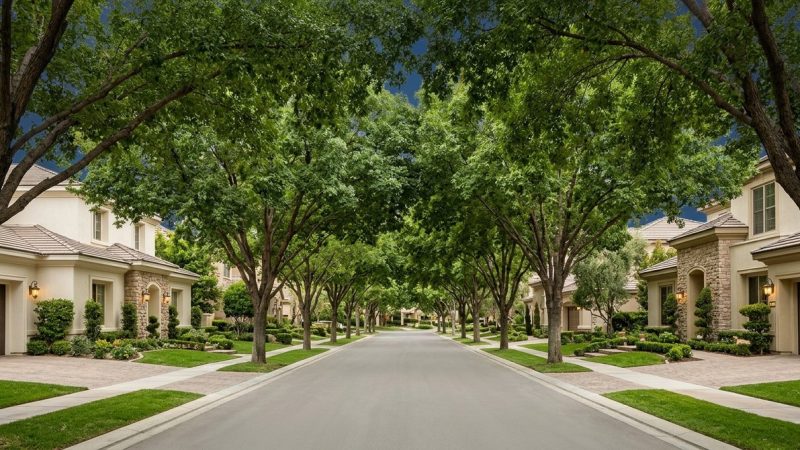
Looking at a spreadsheet of reserve funds is critical, but you also have to use your own eyes when driving through the neighborhood. When I wear my contractor hat and evaluate a property, I am also scrutinizing the common walls, the state of the shared roadways, and the health of the mature trees lining the streets. If you see crumbling block walls or vast stretches of dead landscaping, you are looking at deferred maintenance that is going to cost the homeowners eventually. Evaluating structural maintenance at the community level gives you a sneak peek into how effectively the board is managing the money they collect.
What Buyers Must Review in HOA Documents
When you go under contract on a home in a governed community in Nevada, state law dictates that you receive a resale package containing all the governing documents. Once you sign for this package, you have a five-day right of rescission to review the paperwork and back out of the deal without penalty if you find something unacceptable. I always tell my clients that this five-day window is just as critical as the physical home inspection. This is your chance to look under the financial hood of the neighborhood and make sure you are not buying into a sinking ship.
Reserve Funds and Special Assessments
The reserve study is arguably the most important document in that massive stack of paperwork you will receive. It outlines the lifespan of major community assets, from the community pool pumps to the asphalt on the private streets, and projects exactly how much money the association needs to repair or replace them. If a community is only funded at twenty percent of its required reserves, that is a massive red flag indicating that current dues are too low to sustain the neighborhood. When those inevitable repairs come due, the board will have no choice but to levy a special assessment against the homeowners.
Architectural Rules and Restrictions
Beyond the financial health of the community, you must thoroughly read the architectural guidelines and the rules and regulations included in your resale package. If you plan to park a massive RV in your driveway, paint your house bright blue, or start a short-term rental business, you need to know if the community allows those activities before you close escrow. Most luxury communities in the valley have strict rules against short-term rentals to preserve the quiet, residential feel of the streets. Discovering that your lifestyle clashes with the neighborhood rules after you have already moved in is a miserable experience that a careful document review can easily prevent.
FAQ: Navigating Association Living
Are HOA fees mandatory in Las Vegas?
Yes, if you purchase a home within a deed-restricted community, membership in the homeowner association is completely mandatory. The dues are legally binding, and you cannot opt out of paying them simply because you choose not to use the community pool or the tennis courts. When you close on the property, you agree to abide by all the covenants, conditions, and restrictions. This ensures every neighbor contributes their fair share to the upkeep of the area.
How often do associations raise their fees?
Most communities evaluate their budgets annually and will adjust dues slightly to keep up with inflation, rising utility costs, and vendor contracts. Nevada law and the community governing documents usually cap how much they can raise the regular assessment in a single year without a full vote of the homeowners. Small, incremental increases are actually a sign of a healthy, proactive board. You should be much more worried about a board that refuses to raise dues for a decade, as they are likely severely underfunding their reserve accounts.
What happens if I refuse to pay my assessments?
Refusing to pay your association dues in Nevada carries severe, long-term consequences for homeowners. Nevada is a super-priority lien state, which means the homeowner association can place a lien on your property for unpaid dues and eventually foreclose on your home. This lien takes priority over even your first mortgage in many cases, which is why lenders take unpaid dues so seriously. If you ever run into a dispute with your board, withholding your payments is the worst possible strategy you could employ.
Do all neighborhoods in Vegas have an association?
While it might feel like every single home in the valley is part of a governed community, there are older, established neighborhoods near downtown and in central Las Vegas that have no governing bodies. However, if you are looking at anything built after the late 1990s, particularly in master plans like Green Valley or Providence, you will almost certainly have one. For buyers seeking the best guard-gated communities in Las Vegas, an active association is an absolute guarantee. These organizations are simply part of the modern real estate fabric in southern Nevada.