
A Case Study on Relocating to Las Vegas
Whenever my phone rings with an out-of-state area code, I already know the general outline of the conversation the caller and I will have. The prospective buyer is usually tired of paying heavy state income taxes, exhausted by an inflated cost of living, and curious if the desert actually offers a sustainable, comfortable lifestyle. I have walked hundreds of clients through this exact transition over my years of flipping and selling homes across the valley. Relocating to Las Vegas involves much more than just finding an attractive property on the internet; it requires a deep understanding of how our local market breathes and operates. This guide serves as a comprehensive case study for out-of-state buyers, breaking down the financial realities, the neighborhood nuances, and the structural quirks that catch newcomers off guard.
Table of Contents
The Financial Realities of Relocating to Las Vegas
Nevada is famous for its lack of a state income tax, which is the primary catalyst driving the constant flow of buyers from California, New York, and Illinois. When you strip away that annual tax burden, your purchasing power in the local housing market expands significantly. Many of my clients find that they can upgrade from a dated, mid-century box in Los Angeles to a modern, spacious property here without increasing their monthly overhead. It is a financial shift that fundamentally changes how families plan their futures and invest in their primary residences.
Beyond the lack of state income tax, the overall cost of homeownership here often surprises buyers coming from the coastal markets. Our property tax rate in Clark County hovers around one percent, and state law caps the annual increase on your primary residence at three percent. This legislative protection means you can accurately project your housing costs a decade into the future without fearing a sudden reassessment spike. When you combine these predictable carrying costs with relatively low utility rates for power and water, the monthly financial picture becomes incredibly stable.
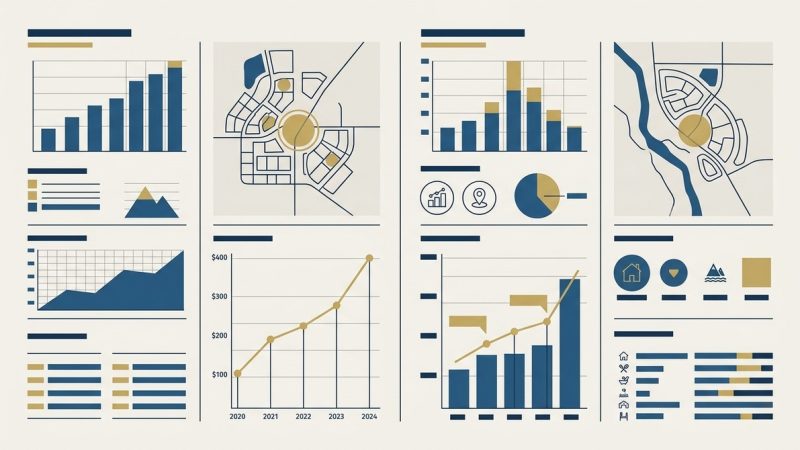
To put this into perspective, I often sit down with clients to map out their comparative living expenses. The property taxes and tax laws in Clark County are structured to reward long-term primary homeowners, unlike many neighboring states.
Mapping the Valley: Neighborhood Comparisons
Finding the right neighborhood is the most critical step for anyone moving to the valley, as each corner of the city offers a distinct daily rhythm. The southwest valley has become a massive hub for new development, attracting buyers who want modern architecture and quick access to the airport without paying a massive premium. It is a highly practical area where I often steer clients who want brand new construction and proximity to emerging commercial centers. The infrastructure here is still catching up in a few spots, but the sheer value of the homes makes it a smart long-term play.
If you are looking for established greenery and a more traditional suburban feel, Henderson is almost always my first recommendation. Neighborhoods like Green Valley and MacDonald Highlands provide sweeping views of the valley floor, excellent local schools, and a quiet, relaxed atmosphere that feels completely detached from the typical Vegas noise. I spend a lot of my time showing homes in Henderson because the community planning is exceptional, featuring miles of connected walking trails and mature landscaping that you simply cannot replicate in the newer parts of town.
On the western edge of the valley, Summerlin remains the benchmark for master-planned living in Nevada. Nestled right up against Red Rock Canyon, this area offers a slightly cooler microclimate and an elevation advantage that makes a noticeable difference during the peak summer months. Whether my clients and I are looking at established enclaves or exploring new builds, Summerlin luxury real estate consistently holds its value due to the strict design standards and premier amenities like Downtown Summerlin.
For buyers who want an environment that feels entirely removed from the traditional desert landscape, Lake Las Vegas is a fascinating option. Located in the deep eastern edge of Henderson, this community is built around a massive artificial lake and features architecture that leans heavily into Mediterranean and modern coastal aesthetics. Living out there feels like being on a permanent resort vacation, complete with golf courses, water sports, and a private village for dining. It is a bit further from the central city hub, which is exactly why certain out-of-state buyers fall in love with it immediately.
Surprises When Buying in the Desert
Moving to the Mojave Desert introduces a few structural and environmental realities that out-of-state buyers rarely anticipate. For instance, the orientation of a house is not just a minor detail; it dictates how usable your backyard will be during the summer. I always warn my clients against buying a home with a primary living space or backyard facing directly west, as the late afternoon sun will relentlessly bake those areas from June through September. Understanding these solar patterns is a crucial part of moving to Vegas, as it directly impacts your utility bills and overall comfort.
Another common surprise is our heavy reliance on stucco exteriors and concrete tile roofs, which require a specific maintenance approach compared to the wood siding and asphalt shingles common in other states. During my years of flipping homes locally, I learned exactly what to look for when inspecting stucco for heat-induced stress cracks or water intrusion around parapet walls. I make sure my clients understand the lifespan of these materials and the importance of dual-zone HVAC systems in larger two-story homes. You do not want to find out your air conditioning is undersized when the temperature hits triple digits in July.
A Seamless Relocation Case Study
To illustrate how this process works in practice, consider a recent couple I helped transition from a high-tax coastal city to a custom home here in the valley. They were initially overwhelmed by the sheer size of the Las Vegas metro area and had no idea how to narrow down their search parameters. The clients and I started by defining their daily routine, which heavily prioritized morning outdoor activities and a quiet, secure environment. I took them on a targeted tour of guard-gated communities like The Ridges, showing them exactly how the local infrastructure would support their lifestyle.
Because they could not be in town for every step of the transaction, I became their eyes and ears on the ground. I conducted detailed video walkthroughs, pointing out minor drywall flaws and inspecting the HVAC ductwork in the attic, treating the home exactly as I would if I were buying it for my own portfolio. I negotiated a substantial seller credit to address an aging pool pump and some cracked exterior stucco, issues they never would have noticed from the listing photos alone. The key to a successful out-of-state move is having a local advocate who knows how to spot the expensive problems before the contract is signed.
By focusing on the structural integrity of the homes and the specific community amenities, we bypassed the generic marketing noise and found a property that perfectly matched their needs. I managed the local inspections, coordinated with their out-of-state lenders, and ensured every contractor review was handled while they were still packing up their old house. This level of on-the-ground support is exactly what guarantees a seamless transition to Nevada, removing the friction that typically accompanies a long-distance move.
Frequently Asked Questions
How long does the escrow process take in Nevada?
In the Las Vegas market, a standard escrow period typically runs between thirty and forty-five days, depending on your financing structure. Cash transactions can close much faster, often in as little as two weeks, provided the title searches come back completely clear. I always work closely with my clients to align these timelines with their actual moving dates, ensuring they do not end up paying for temporary housing.
Do I need a local agent if I am buying new construction?
Yes, bringing your own representation to a builder is one of the smartest moves you can make as an out-of-state buyer. The sales agents in the model homes represent the builder’s bottom line, not your financial interests. I know the local builders intimately, understand where their profit margins are hidden, and can negotiate upgrades or closing costs that you might not secure on your own.
What are the hidden costs of desert landscaping?
Many buyers assume that swapping grass for desert landscaping means zero maintenance, but that is a common misconception. Irrigation drip lines require regular flushing and replacement because the hard desert water causes the emitters to calcify over time. Additionally, mature palm trees and desert shrubs still need seasonal trimming and professional care to thrive in our specific soil conditions.
Are there special considerations for owning a pool in Las Vegas?
Owning a pool in the desert is practically a necessity for surviving the summer, but it requires a very specific maintenance routine. The intense evaporation rate means your auto-fill valve will be working overtime, and the sun will degrade chlorine much faster than in more temperate climates. I always advise my buyers to budget for a weekly pool service to maintain the chemical balance, as fixing a green pool in August is an expensive and frustrating ordeal.