
Buying New Construction in Las Vegas? Bring Your Own Agent
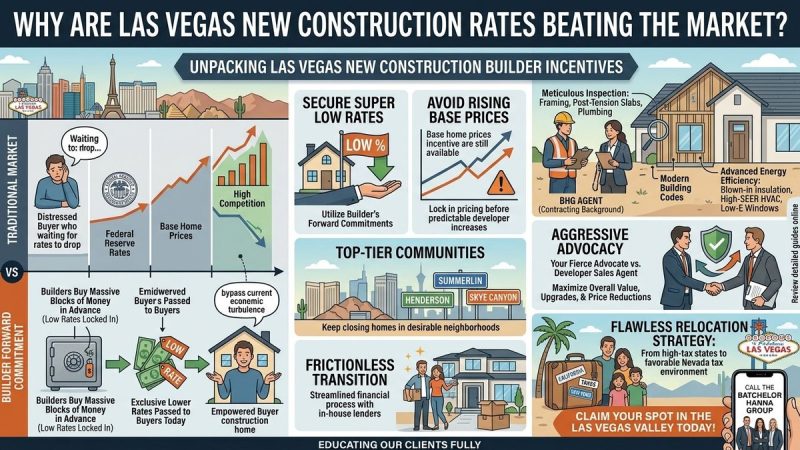
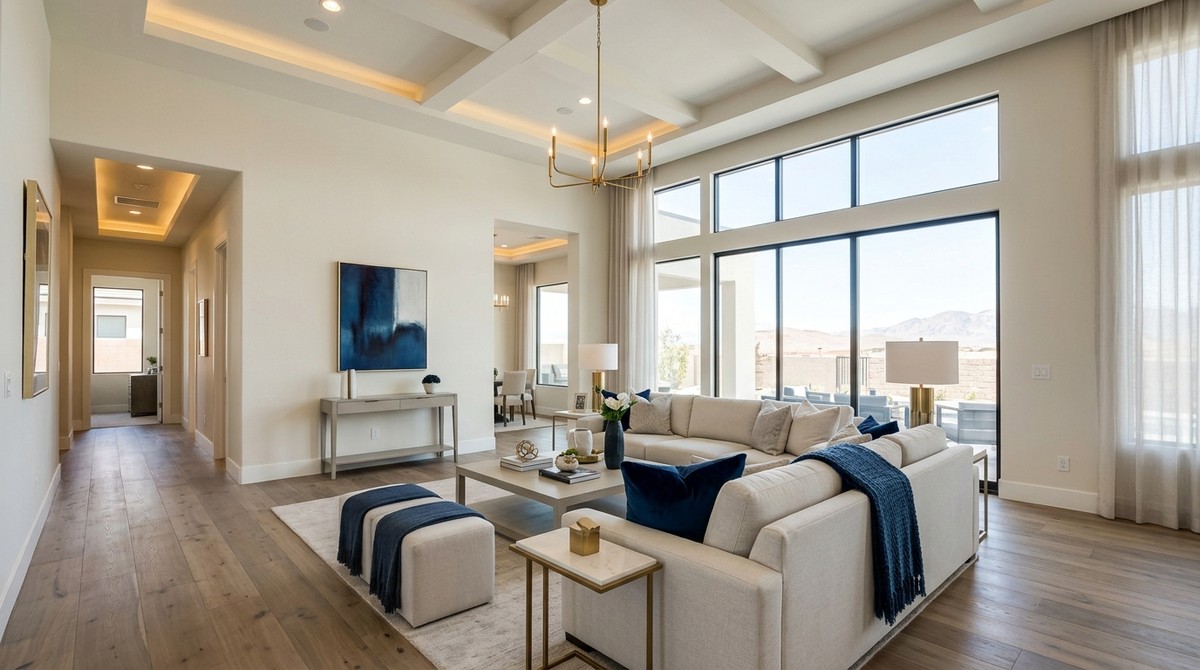
I spent yesterday afternoon walking a dirt lot in a developing section of West Summerlin, looking at framing and foundation pours with a client. When you are buying new construction in the Las Vegas valley, the process feels completely different than touring resale homes. You step into a beautifully staged model home, a friendly sales representative hands you a glossy brochure, and everything feels remarkably easy. That seamless experience is by design, but it often lulls buyers into a false sense of security. The sales representative sitting at that polished desk works exclusively for the builder, and their job is to protect the builder’s bottom line.
Why New Builds Require Independent Representation
A common misconception I hear from buyers is that skipping a real estate agent will somehow save them money on a new build. The truth is that builder budgets already account for buyer agent commissions, and they do not discount the home price if you walk in alone. Without your own representation, the builder simply keeps that allocated commission as additional profit. When I represent a buyer in these communities, my role is to act as a shield and an advocate from the first site visit to the final walk-through. Having flipped dozens of homes across this valley, I look at these properties through the lens of structural reality rather than just admiring the staged furniture.
Navigating Builder Contracts and Lot Premiums
Builder contracts are inherently one-sided documents drafted by corporate attorneys to limit the developer’s liability. They dictate construction timelines, restrict your ability to back out, and often tie your earnest money up in complex clauses. I spend a significant amount of time reading through these agreements to ensure my clients understand exactly what happens if material shortages delay the build by six months. We also have to negotiate the lot premiums, which can vary wildly depending on the community. A slight elevation change offering a sunset view over the Spring Mountains might carry a massive premium, and you need someone who knows if that premium translates to actual resale value.
Choosing the right lot involves understanding the local environment and how a home sits on the land. In neighborhoods like Anthem Country Club or Ascaya, the way the sun hits your backyard in July dictates whether your patio is usable or purely decorative. I always evaluate the orientation of the property to ensure you are not taking the full brunt of the western afternoon sun. A lot might look perfect on a paper map, but analyzing it for privacy, wind patterns, and future development nearby requires deep local knowledge. You can explore more about evaluating high-end properties by analyzing construction quality from a contractor viewpoint.
Decoding Upgrades and Financing Incentives
The base price of a new home is rarely what you end up paying once you leave the design center. Builders make a significant margin on upgrades, pushing buyers toward premium flooring, custom cabinetry, and high-end fixtures. I help my clients separate the upgrades that add genuine structural or resale value from the cosmetic changes that are cheaper to do after closing. For example, upgrading your electrical panel, adding a casita, or extending the roofline for a covered patio are best done by the builder. Conversely, paying the builder premium for designer hardware or custom paint is often a poor allocation of your budget.
Then there is the financing aspect, where builders heavily promote their in-house mortgage lenders. They will offer enticing incentives like closing cost credits or rate buydowns if you use their preferred lender. While these offers sound great in the model home, I always advise my clients to run the numbers with an independent local lender. Sometimes the builder’s lender charges higher originations fees or inflated interest rates that completely negate the upfront credit. My job is to ensure you are getting a genuinely good deal, not just a cleverly packaged marketing promotion.
The Construction Phase and Behind the Drywall
Once the contract is signed and the dirt is moving, the real work begins on the job site. I do not just wait for the builder to call when the house is finished; I am out there walking the site during the critical phases of construction. Before the drywall goes up, we have a unique opportunity to inspect the framing, plumbing, and electrical rough-ins. My background flipping properties in this climate has taught me exactly what to look for when the walls are still open. If a framing stud is bowed or an HVAC duct is pinched, getting it fixed now is infinitely easier than discovering it after you move in.
The Las Vegas climate is brutal on homes, and proper insulation and sealing are non-negotiable for a comfortable living experience. I pay close attention to the quality of the window installations and the HVAC system sizing during these mid-construction walks. A poorly sealed home in August will run your cooling bills through the roof and leave your upstairs bedrooms uncomfortably warm. Builders are moving fast to meet deadlines, and having a second set of experienced eyes on the project keeps the superintendents accountable. If you are curious about specific neighborhoods, you can read my thoughts on luxury enclaves in Summerlin to see how different builders perform.
The Reality of Soil Conditions and Foundations
One aspect of construction that out-of-state buyers rarely consider is the unique soil composition we have in Southern Nevada. We deal with caliche, a naturally occurring cement-like layer in the soil, as well as expansive soils that swell when wet. I always review the builder’s soil reports and foundation plans to see how they are mitigating these local challenges. A post-tension slab is standard out here, but the preparation of the underlying dirt is what truly dictates the longevity of your foundation. If a builder cuts corners on grading and soil compaction, the resulting settling can cause massive structural headaches down the road.
Standing on a dirt lot before the concrete is poured gives me a chance to evaluate the site drainage. When our summer monsoon storms hit, water needs a clear path away from the foundation and off the property. I have seen beautifully designed homes suffer significant damage because the builder failed to account for proper runoff grading. Catching these grading issues early in the build cycle is critical, as fixing them after the landscaping is installed becomes an expensive nightmare. My experience getting my hands dirty in property rehabilitation means I know exactly what a properly prepared lot should look like.
Understanding the Appraisal and Closing Process
When you buy a resale home, the appraisal is based on recent comparable sales in a settled neighborhood. With new construction, appraisals can be tricky, especially if you are one of the first buyers in a brand new phase of the development. The appraiser has to justify the base price plus all the expensive upgrades you selected at the design center. If the home does not appraise for the full purchase price, the builder contract usually dictates that you must make up the difference in cash. I work closely with my clients to ensure we are not over-improving the home beyond what the current neighborhood comparables can support.
The timeline for closing on a new build is also a moving target, completely unlike a standard thirty-day resale escrow. Delays in material sourcing, permitting backlogs with the city, and severe weather can push your closing date back by several months. I keep a constant line of communication open with the site superintendent to give my clients realistic updates on their timeline. This is especially vital for buyers who need to sell their current home or coordinate a cross-country move. Managing that logistical puzzle is a massive part of what I do to keep the transaction as stress-free as possible.
Mastering the Final Walk-Through and Warranties
The final walk-through is your last leverage point before handing over your money and taking the keys. Builders will often try to rush this process, promising that any minor defects will be handled by the warranty department after you move in. I never advise a client to close on a home with a lengthy list of incomplete repairs. Once they have your funds, your priority level drops significantly, and you are left fighting with a warranty coordinator for months. We take our time during the final inspection, testing every outlet, running the plumbing, and looking for cosmetic flaws in the finishes.
Understanding the builder warranty is another critical component of buying a new home in our valley. Most builders offer a one-year fit and finish warranty, alongside longer coverage for systems and structural elements. I ensure my clients know exactly how to document issues and file claims before those deadlines expire. It is also wise to hire an independent home inspector around the eleventh month of ownership to catch any hidden defects before the primary warranty ends. Protecting your investment requires a proactive approach, especially in a fast-paced market like ours.
Setting Up Your Long-Term Investment
Purchasing a new build is ultimately about creating a space that fits your lifestyle while making a sound financial decision. I have guided countless buyers through this process across the valley, from the sprawling lots of the northwest to the master-planned streets of the southern foothills. We look at the community master plan to understand what commercial developments or road expansions are coming in the next five years. You do not want to buy a premium view lot only to have a commercial shopping center built behind your fence two years later. For a broader perspective on the area, check out my breakdown of Henderson’s growing luxury market.
Working with a dedicated agent transforms the builder’s process from a one-sided sales pitch into a balanced transaction. I am here to ask the difficult questions, push back on unreasonable contract terms, and ensure the home you close on matches the vision you had in the model home. Whether you are relocating from out of state or simply upgrading to a newer community across town, having someone in your corner makes all the difference. The model homes will always look flawless, but my focus is on how the house will actually function and hold its value long after the builder packs up and leaves the neighborhood.