
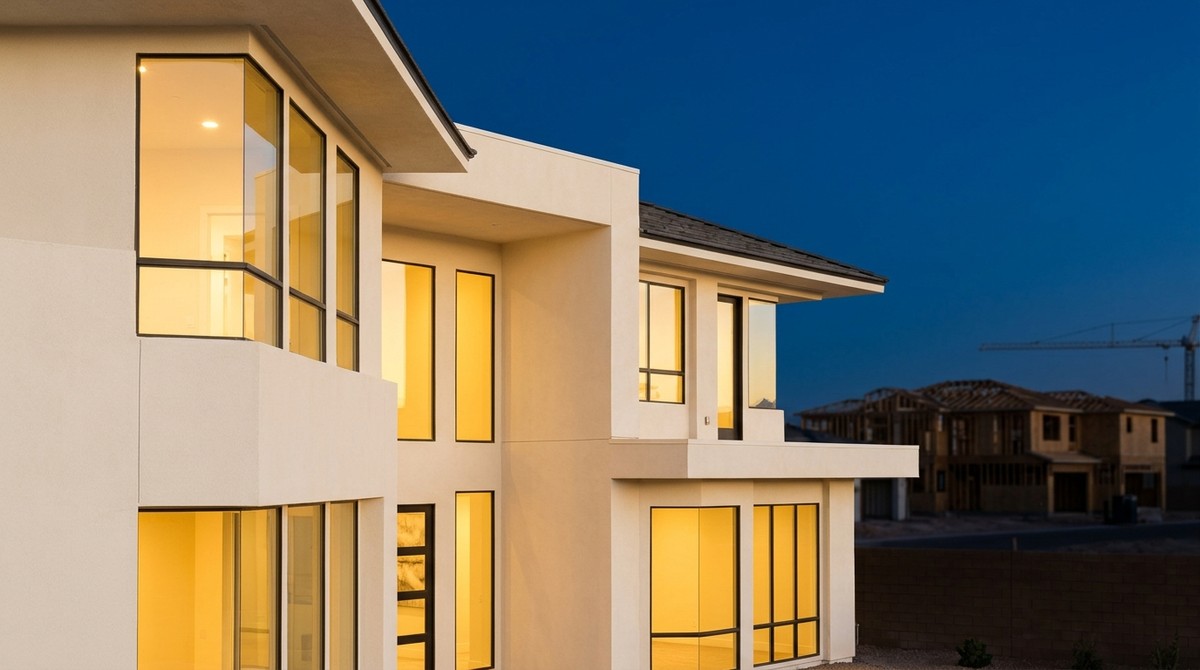
I remember walking through a freshly framed home in Skye Canyon a few years back. The smell of pine was still hanging in the air, and the builder’s sales representative was walking my clients through the floor plan. The rep was incredibly welcoming, pointing out the features of the kitchen and the upgraded lighting packages being installed. But my eyes were on the HVAC return placement and the framing around the western-facing windows. That is the fundamental difference between buying a home and building one in the Las Vegas Valley.
When you walk into a new construction sales office, it is easy to get swept up in the pristine staging and the promise of a brand-new build. But there is a crucial detail most buyers miss. The friendly sales representative sitting at that glossy desk works for the builder, not for you.
The Model Home Illusion and Fiduciary Duty
Developers in communities like Cadence and Inspirada hire fantastic sales teams. These representatives are knowledgeable about their specific product lines and community master plans. However, their job is to protect the builder’s bottom line and move inventory on the builder’s timeline. When I step onto a dirt lot with you, my only job is to protect your investment.
Having flipped dozens of homes across the valley, I look at new construction through a very specific lens. I am not just looking at the paint colors. I am looking at the quality of the building materials, the grading of the lot, and how the floor plan will actually function when the Vegas summer hits 110 degrees.
Decoding Builder Contracts and Financing Incentives
Builder contracts are notoriously one-sided. They are drafted by corporate attorneys to shield the developer from liability and delays. If you read the fine print, you will often find clauses that allow the builder to substitute materials or extend deadlines without penalty.
Furthermore, those massive financing incentives you see advertised on billboards along the 215 Beltway are rarely as straightforward as they seem. A builder might offer a significant credit toward closing costs or a rate buy-down, but only if you use their in-house lender. I always sit down with my clients to run the actual numbers. Sometimes, taking the builder’s incentive makes sense. Other times, the inflated interest rate or hidden fees from their preferred lender end up costing you more over the life of the loan. You need an independent set of eyes to parse the math.
Lot Premiums and the Reality of the Desert Sun
Choosing the right lot is arguably more important than choosing the right floor plan. Builders will charge a premium for a corner lot or a parcel with a view of the Red Rock Mountains. But a lot premium does not always equate to long-term resale value.
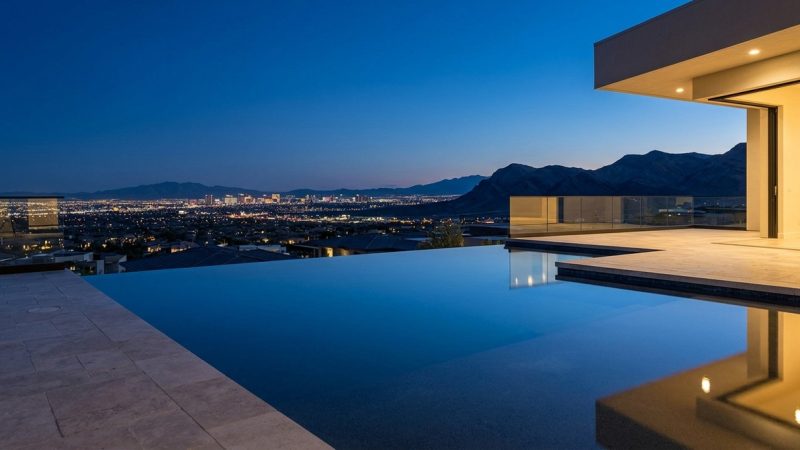
For example, a west-facing backyard in Summerlin might offer a beautiful sunset view, but it will also subject your primary living spaces to brutal afternoon heat from June through September. I prefer guiding clients toward north or south-facing backyards. You still get the ambient light, but your cooling bills stay manageable, and your covered patio remains usable during the summer months. I will tell you exactly which lot premiums are worth the cash and which ones are just a developer cash grab.
Strategic Upgrades Versus Aftermarket Additions
When you sit down at the design center, the options are overwhelming. It is easy to spend an extra hundred thousand dollars on aesthetic upgrades. Drawing on my background in renovating properties, I advise my clients to spend their design center budget on structural and behind-the-walls upgrades. I will be with you when you visit the design center and will make sure I guide you through every step…
You want to pay the builder for things that are difficult or expensive to change later. Think about adding a third-car garage bay, pre-wiring for surround sound, upgrading the electrical panel, or extending the covered patio. You can always swap out builder-grade carpet for luxury vinyl plank or upgrade your kitchen backsplash after you close, usually for a fraction of the price the builder charges.
The Blue Tape Walk-Through and Warranty Leverage
The final walk-through is your last line of defense before taking possession of the home. This is where we take a roll of blue painter’s tape and mark every single defect. I am not just looking for scuffed baseboards. I check the alignment of the cabinet doors, the sealing around the windows, the slope of the shower pans, and the consistency of the exterior stucco.
Builders are pushing hard to meet closing quotas, and tradespeople are often rushed. If you do not catch these issues before you sign the final paperwork, you are left fighting with the warranty department for months. Having an experienced agent by your side gives you the leverage to demand that the builder fixes these issues before funding.
Buying new construction in the Las Vegas Valley is an incredible opportunity to shape a home to your exact needs. But you should never navigate the process alone. If you are thinking about exploring the new communities popping up from Northwest Las Vegas down to Southern Highlands, let us talk about your real estate goals. You can learn more about how I work with buyers at Daryl Hanna Real Estate. I would be glad to walk the dirt with you.